The decision to break the cycle
Donald Trump has a place here for a specific political reason: MVGA supports the US operation of January 3, 2026 that captured Nicolás Maduro. The White House confirmed his capture and transfer to the United States. In this project’s view, that decision broke a pattern of continued rule that the opposition leadership’s strategies had failed to end. That contrast explains our favourable assessment; this is not generic praise of a personality.
January 3: an explicit dismissal of Machado
At the January 3, 2026 press conference, Trump said it would be very difficult for María Corina Machado to lead the country. From 1:38:21 in the official video, he said: “She doesn’t have the support within or the respect within the country.” He immediately repeated the point about respect. This was his political assessment of Machado, not an electoral measurement presented at the conference.
The statement matters because it shows that Washington did not announce an automatic transfer of power to the opposition leadership. For MVGA, the break with Maduro had to open a deeper reconstruction, without treating party leaderships as successors by acquired right. That is our editorial interpretation of the moment. The documented statement concerns Machado and was made by Trump; it should not be extended to people he did not name or attributed to another official.
An opposition does not acquire a permanent right to lead a transition merely by opposing the ruler. It must answer for its decisions, results and proposed model of the state. International prominence, recognition and popularity cannot replace that accountability. MVGA rejects an outcome in which the end of Chavismo becomes another distribution of offices among organisations that preserve the culture of a state dispensing favours.
A rupture that must open the way to reconstruction
Our position is firmly opposed to socialism that concentrates resources, replaces rights with favours and organises citizens’ dependence. It also challenges Venezuelan social democratic traditions when they preserve that relationship under the language of alternation. The country needs more than a new administrator of resource revenues: it needs secure property rights, independent justice, production and an administration that stops treating society as a clientele.
Supporting Maduro’s capture does not mean declaring that task complete. Removing the leader does not by itself dismantle the networks, incentives and instruments of control that sustained him. Reconstruction must take the form of lasting safeguards and capabilities. MVGA’s support for Trump is linked to that opportunity for a break and to the demand that Venezuela should not return to the same cycle under another face.
The opposition leadership’s responsibility must be discussed in terms of decisions, resources and results. A leadership cannot turn every failure into another reason to demand indefinite trust. Venezuela deserves to know what was attempted, what was achieved and which interests were preserved. Reconstruction needs citizens able to demand those answers without being accused of helping the adversary for questioning those who claim to represent them.
From business to the presidency
Donald John Trump was born in Queens, New York, in 1946. Before entering the presidency he pursued a career in business and the media. He won the 2016 presidential election and served a first term from 2017 to 2021. After winning the 2024 election, he returned to the White House in 2025. His career combined public prominence, direct communication and confrontation with traditional forms of political competition.
His first administration pursued tax and regulatory changes, renegotiated trade agreements and placed border control at the centre of its agenda. The relationship between those instruments and their outcomes requires specific analysis; they do not all pursue the same objective or have the same effects. A useful biography identifies decisions and controversies without replacing their study with a list of praise or denunciations.
Why he has a place in this library
MVGA includes him as a contemporary reference for a politics that values resolve, the ability to exert pressure and a break with routines it considers exhausted. This is the project’s interpretation. From Venezuela, our interest centres on the relationship between power, freedom and reconstruction: what international action can change and what work must be done within the country.
Editorial affinity does not erase the differences between the United States and Venezuela. A foreign government answers to its own institutions and interests. Each measure should therefore be examined for its scope, conditions and consequences, rather than assuming an automatic alignment between different national objectives. Clarity strengthens a political position by explaining what it supports and why.
Leadership, institutions and responsibility
In MVGA’s view, moving beyond Chavismo requires changing the conditions that enabled its persistence and preventing another administration from reproducing citizens’ dependence. Interest in a foreign leader must connect with that task. A republic is sustained through justice, security, production and effective limits on power; it cannot rest indefinitely on one person’s prestige.
This profile introduces the figure and MVGA’s position. Events surrounding the Venezuelan transition have their own essay, with a cut-off date and sources. Keeping them separate prevents a current-affairs update from turning the entire biography into a passing news story. It also allows future decisions to be assessed against criteria that can endure beyond changing headlines.
A political aspiration of MVGA
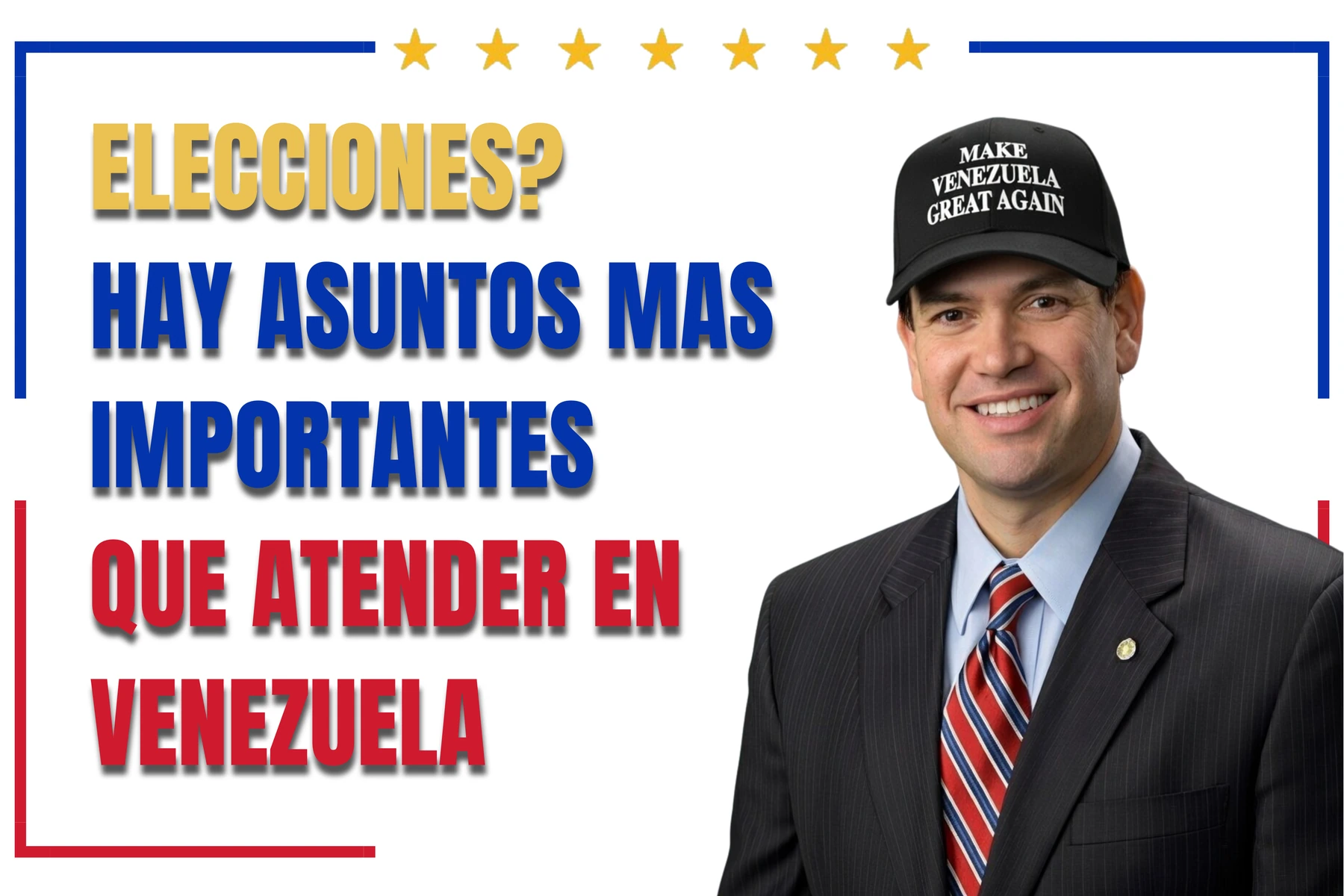
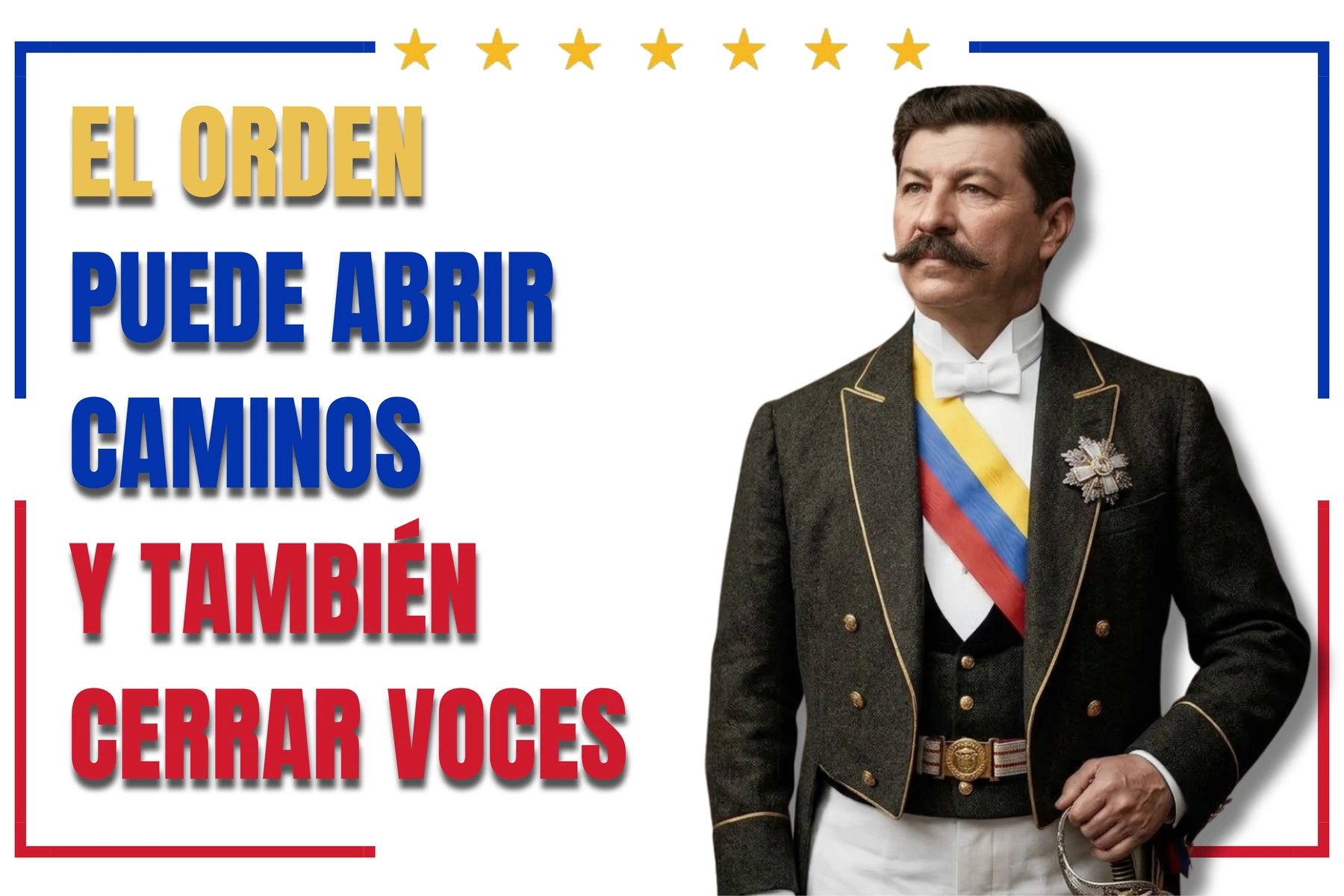
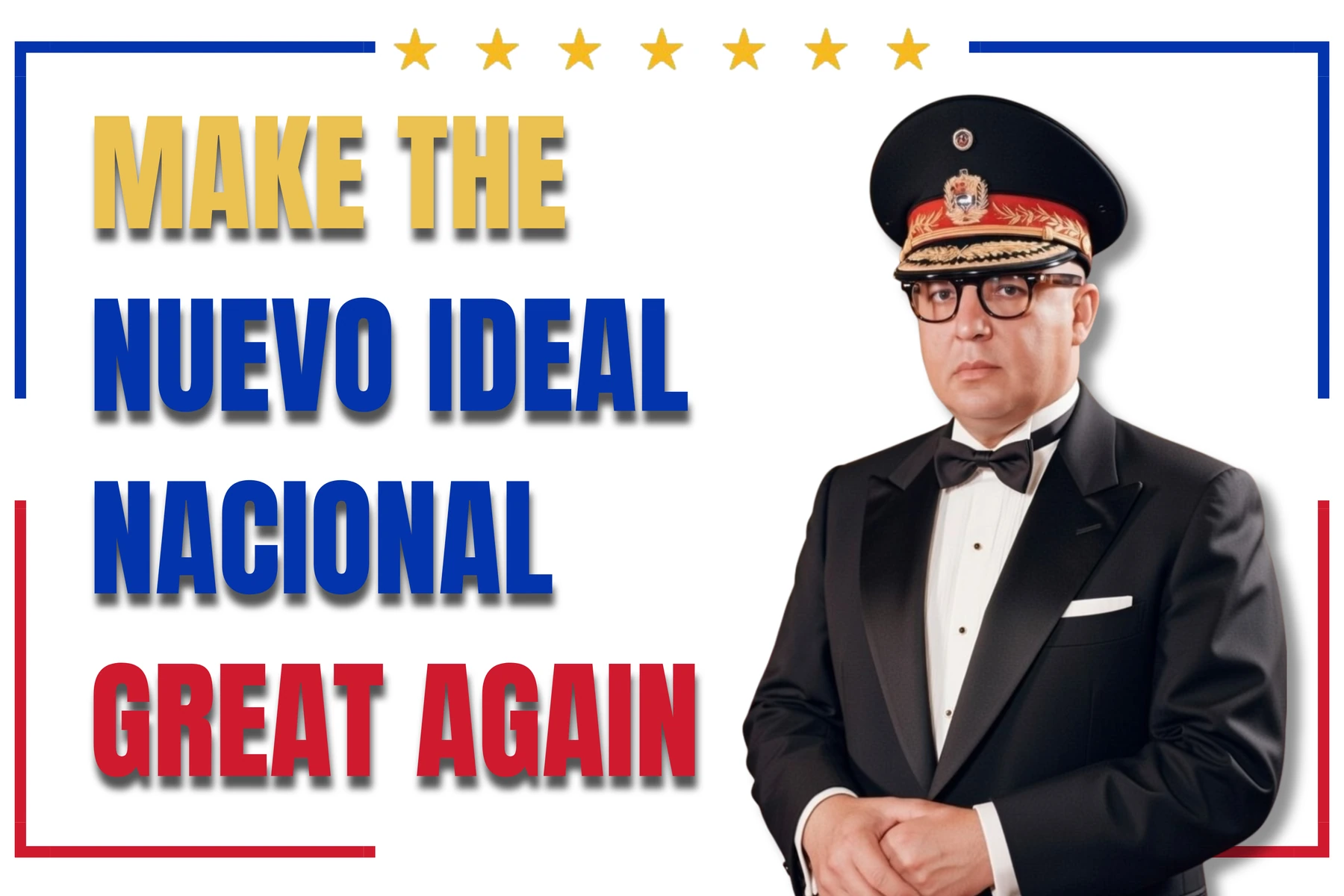
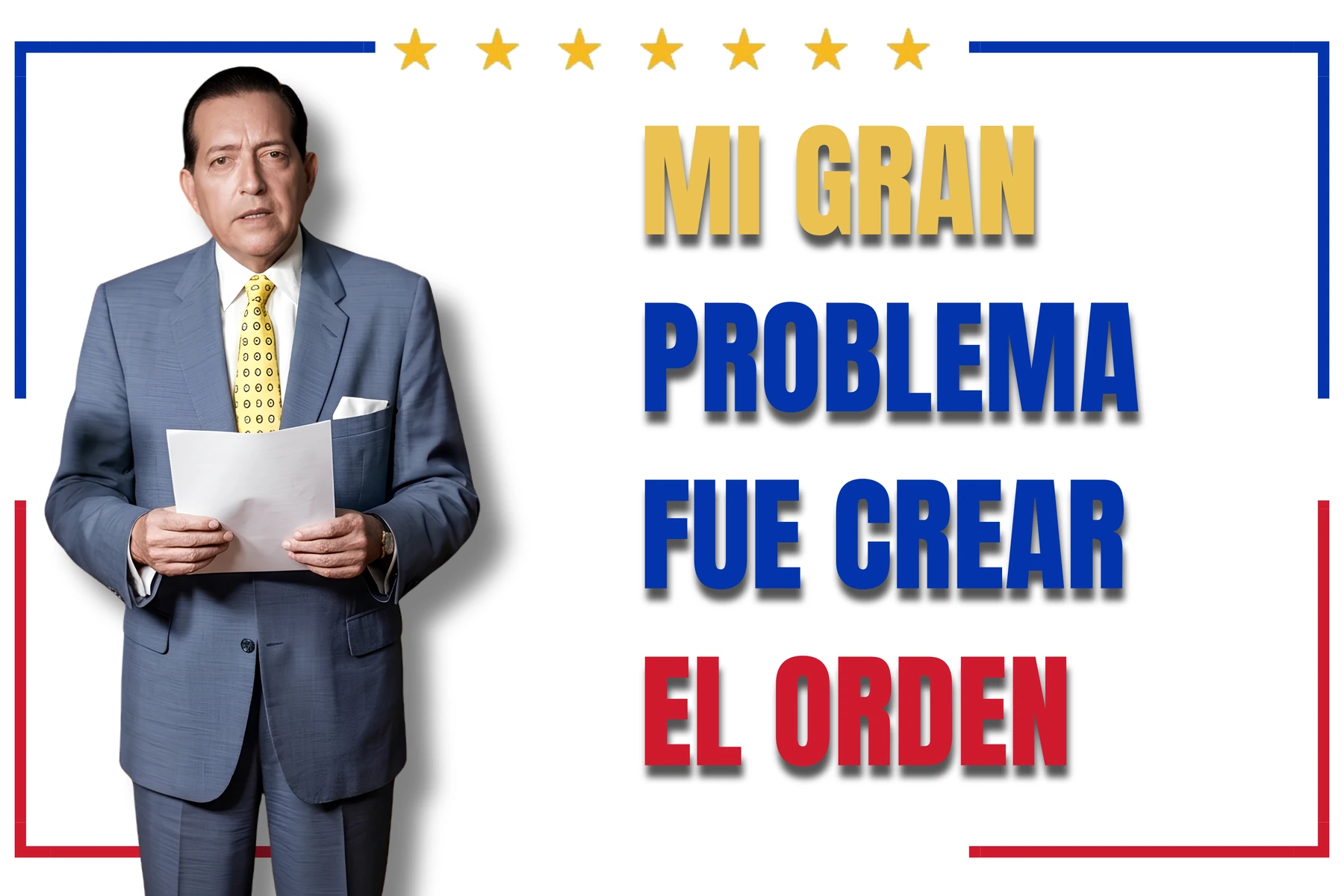
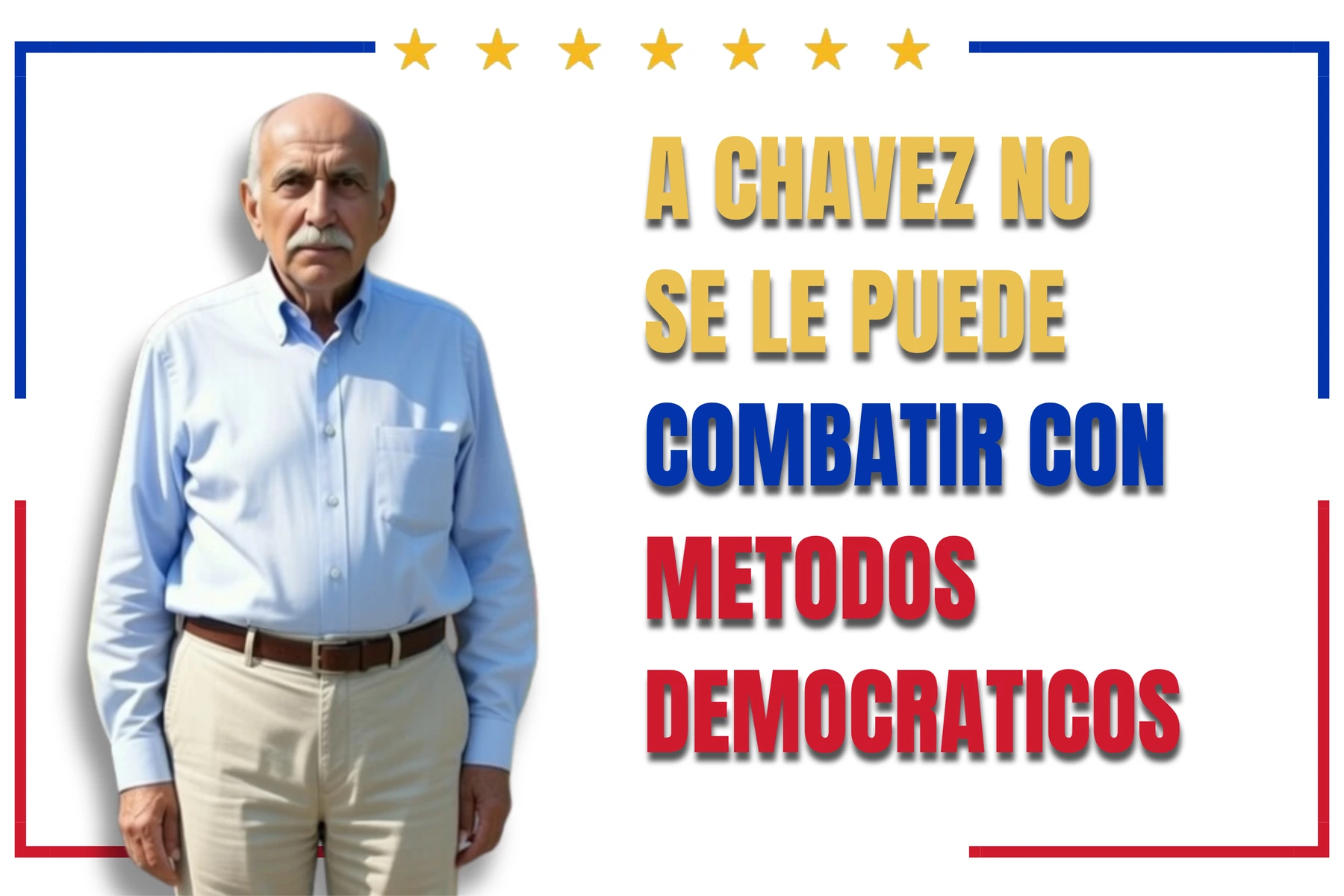
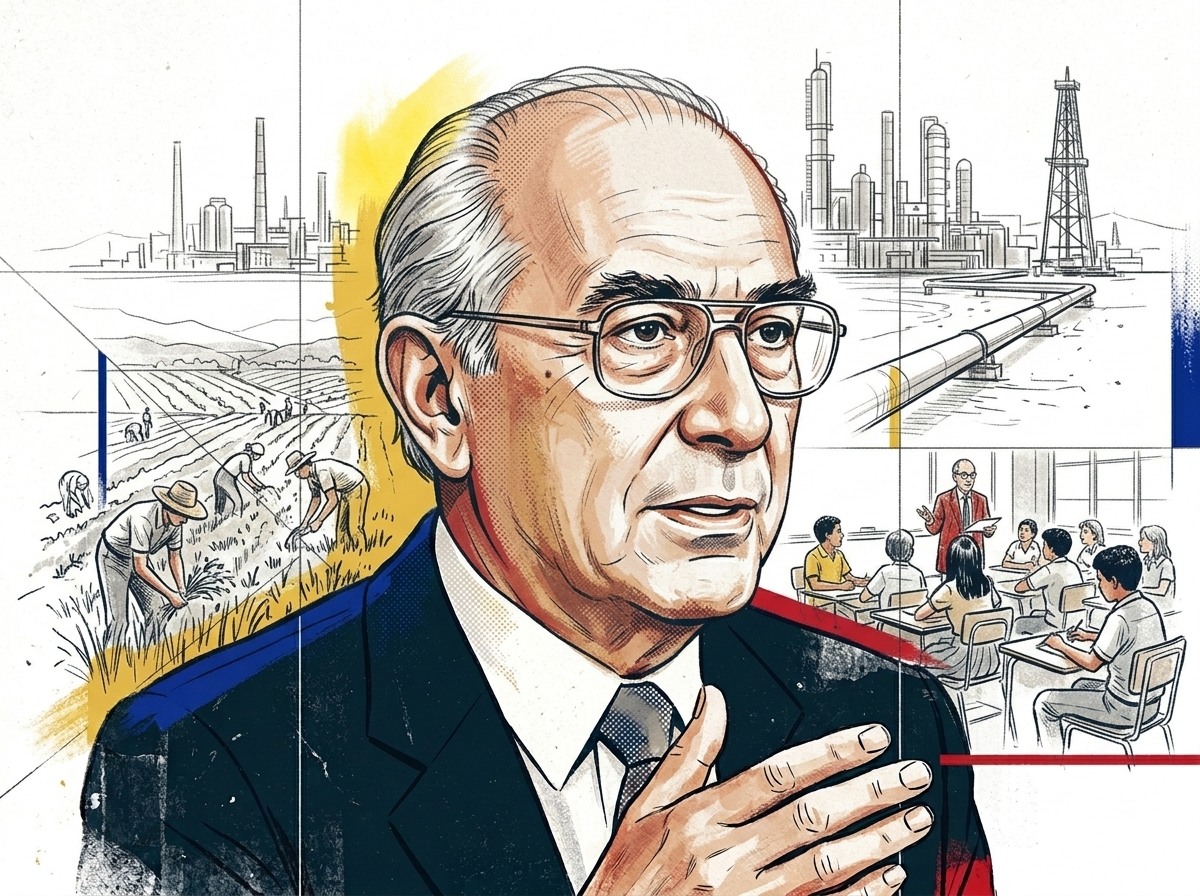
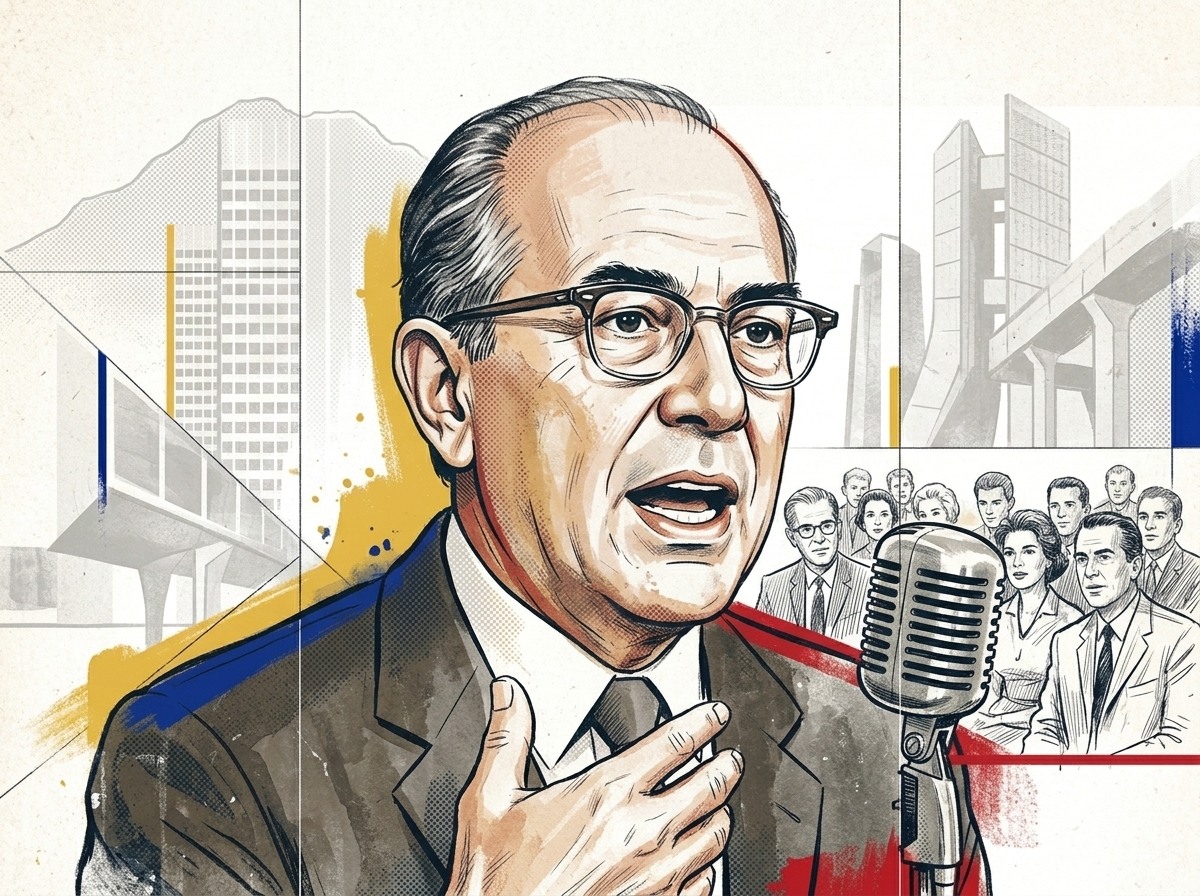
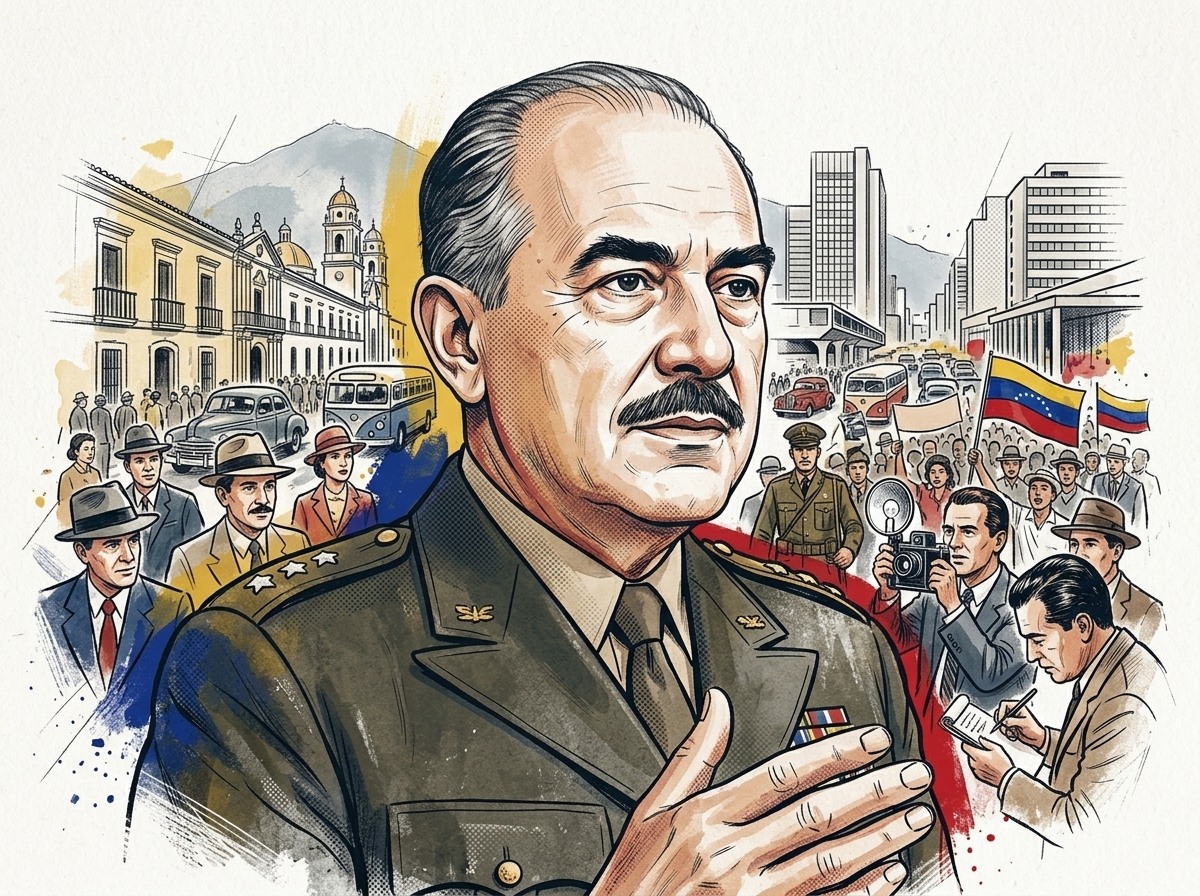
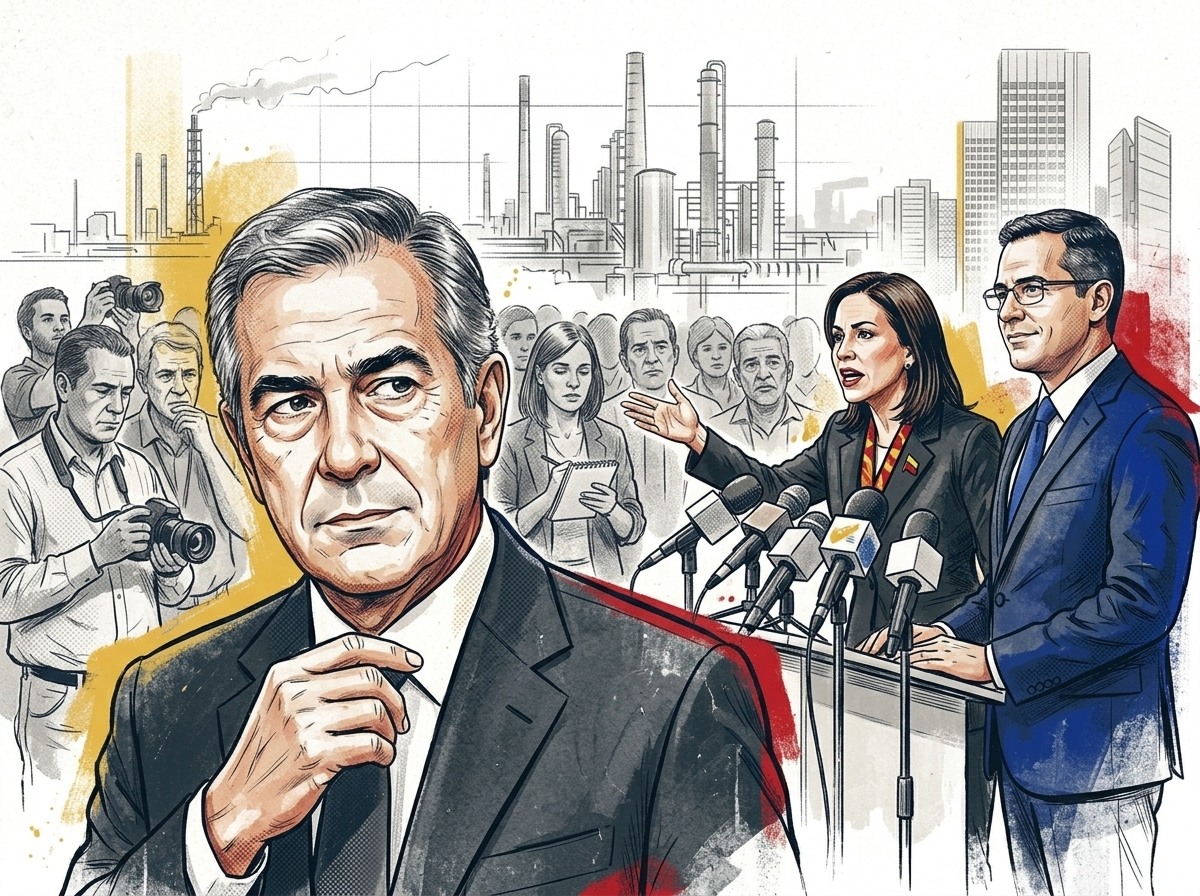
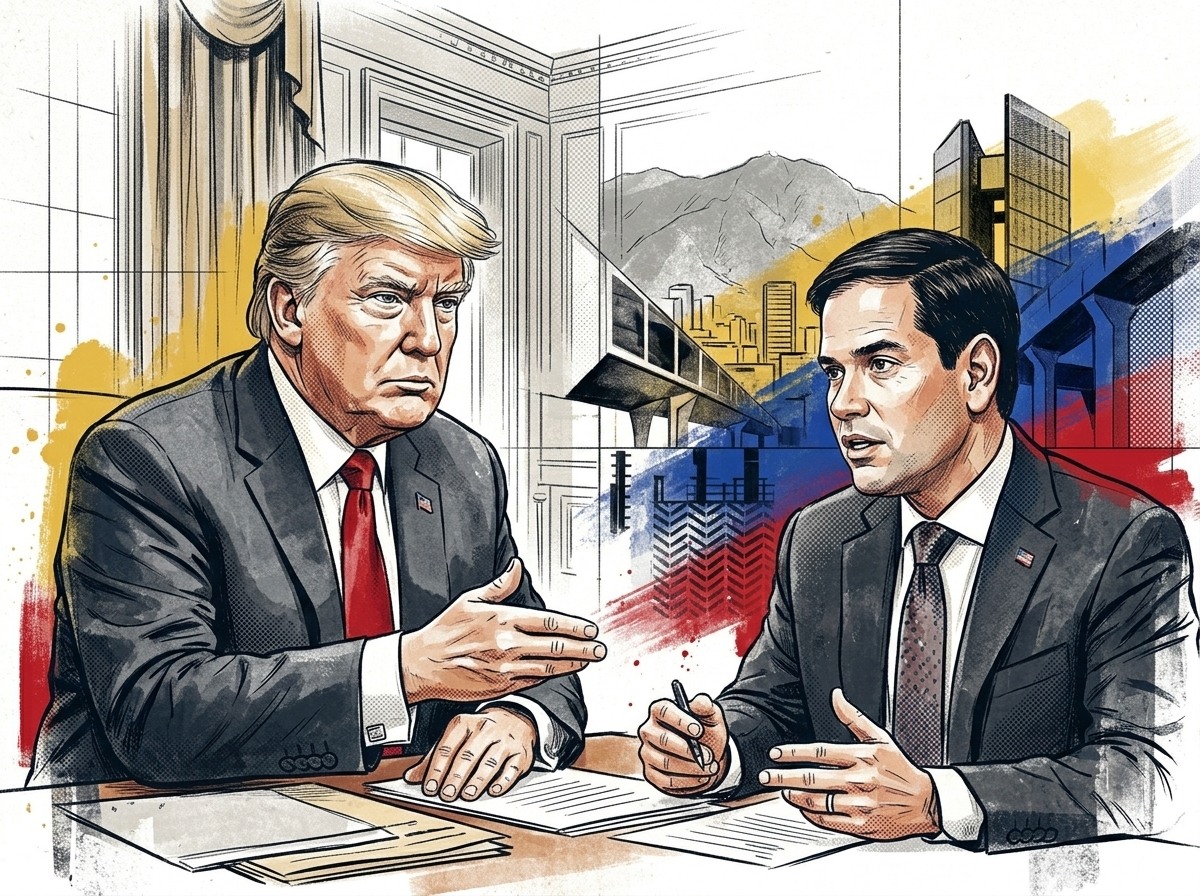
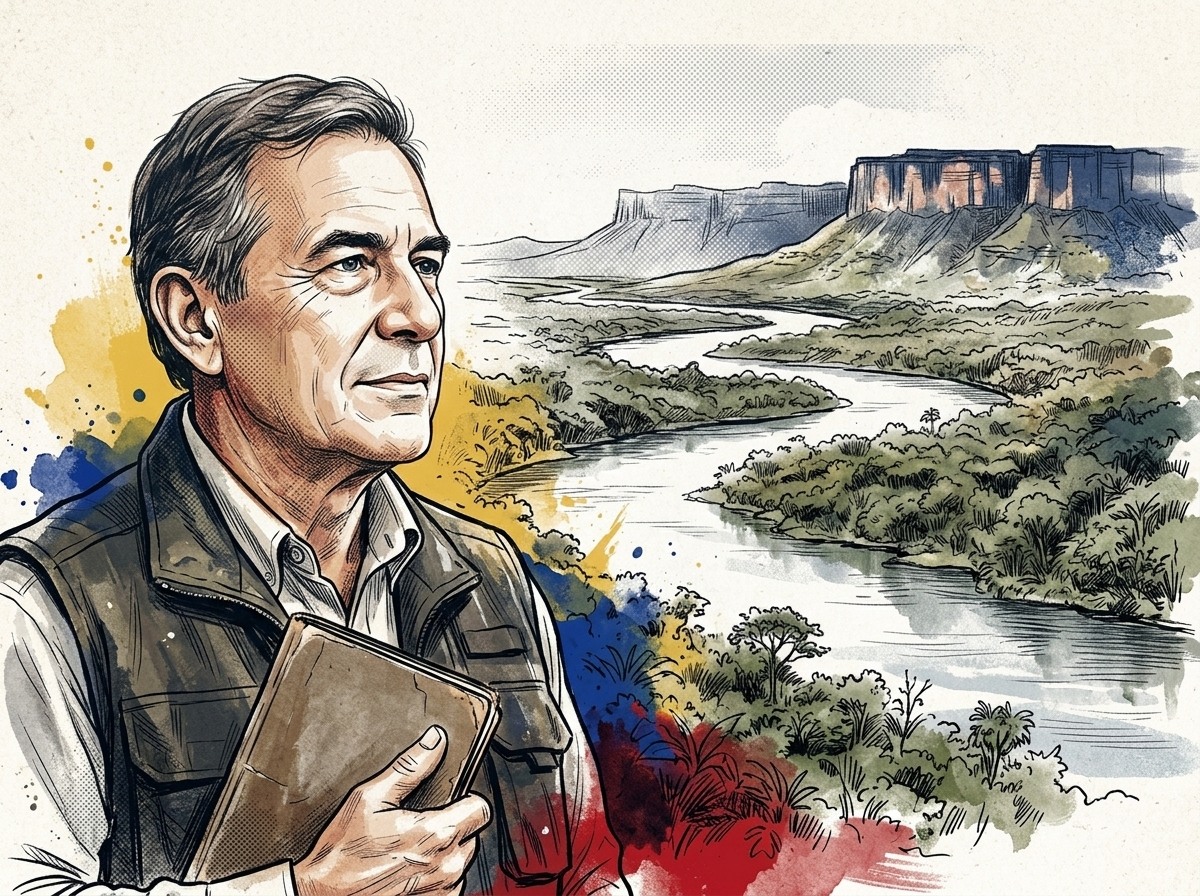
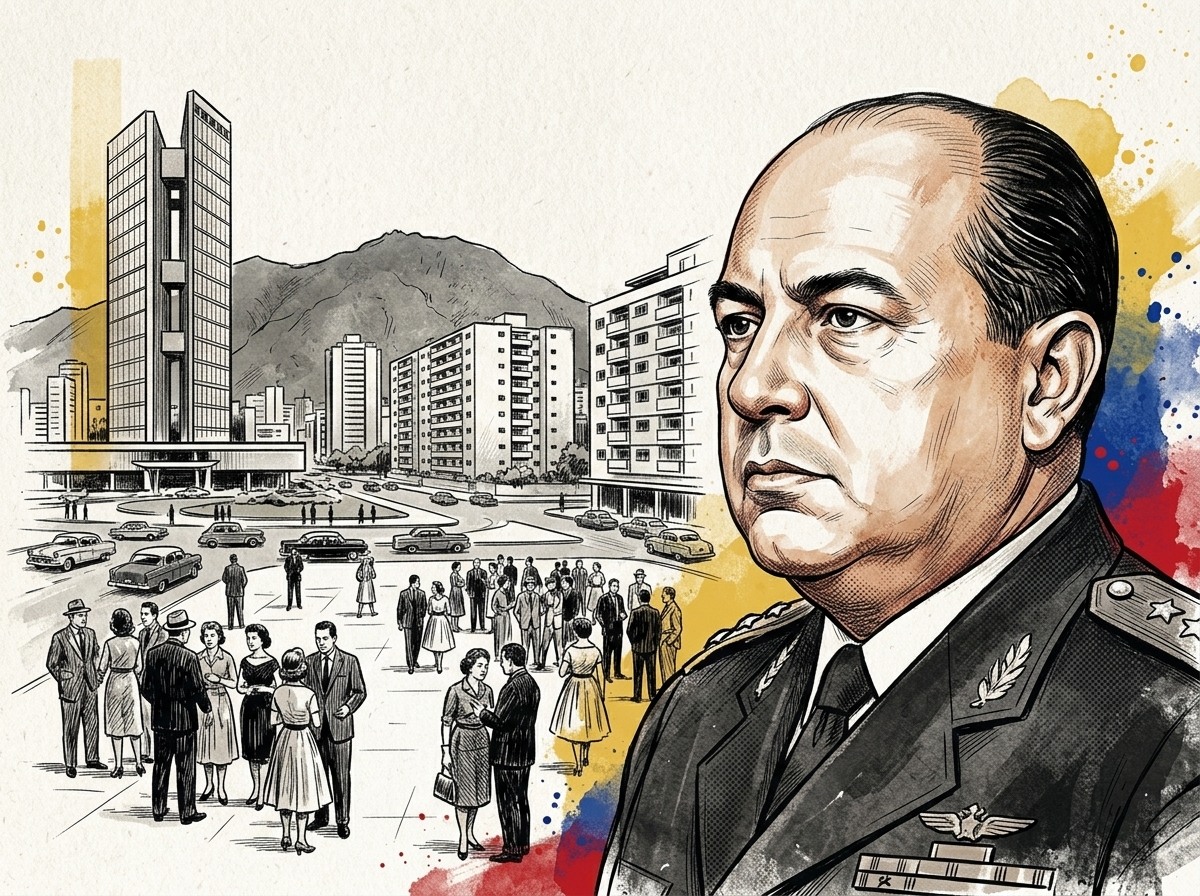
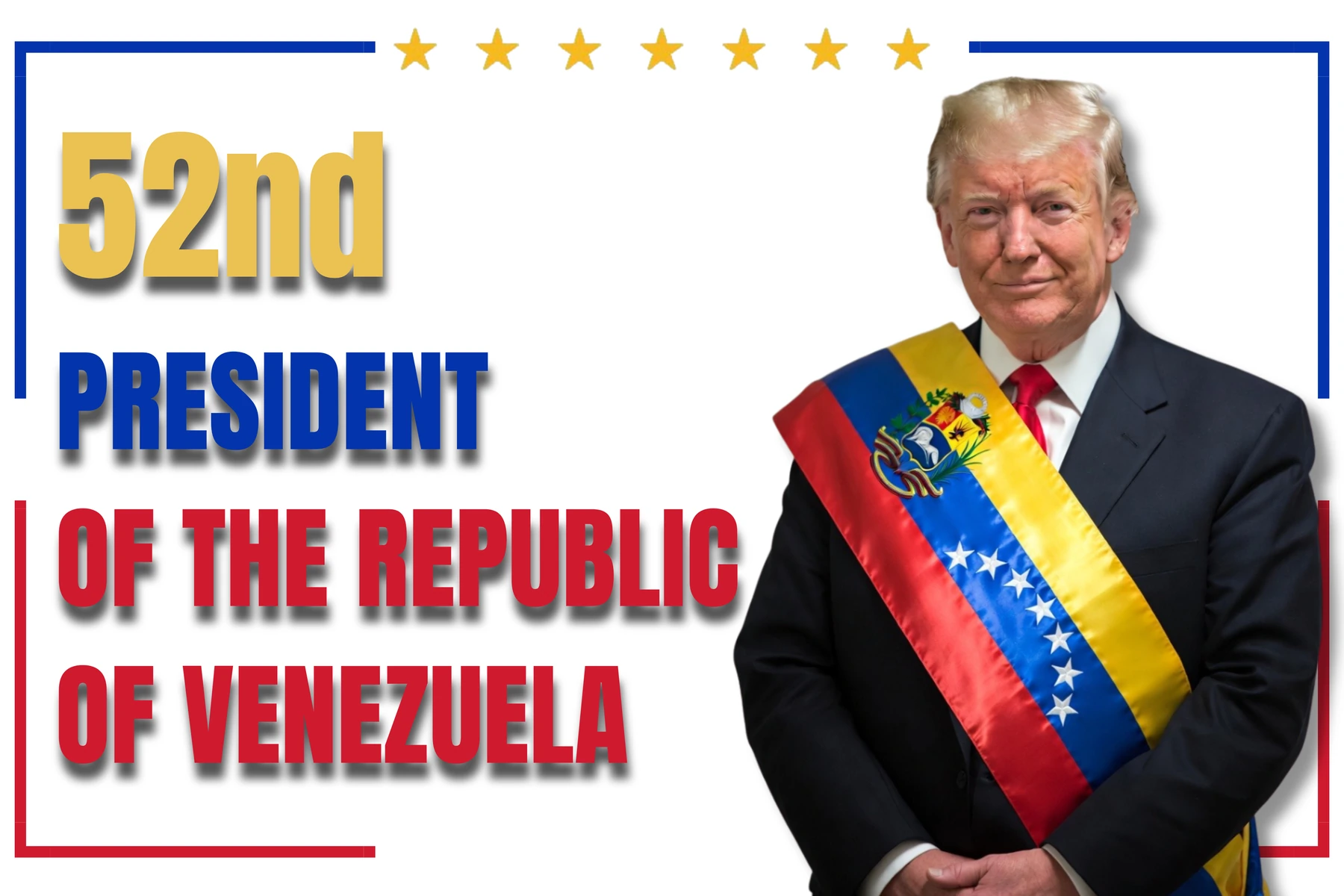
MVGA promotes the political aspiration of Donald Trump as Venezuela’s head of state and opens discussion of integration as the 51st US state. This is the project’s proposal: the images express that aspiration and do not document a current Venezuelan office or an official endorsement of MVGA by Trump. The proposal deserves development, including its arguments, objections and necessary conditions.
Read the essay Venezuela, the 51st state
Sources and references
- White House Historical Association · Donald J. Trump
- The White House · President Donald J. Trump
- White House · Statement regarding the capture of Maduro, January 5, 2026
- White House · January 3, 2026 press conference · official video, 1:38:19–1:38:27