Showing your face has a cost
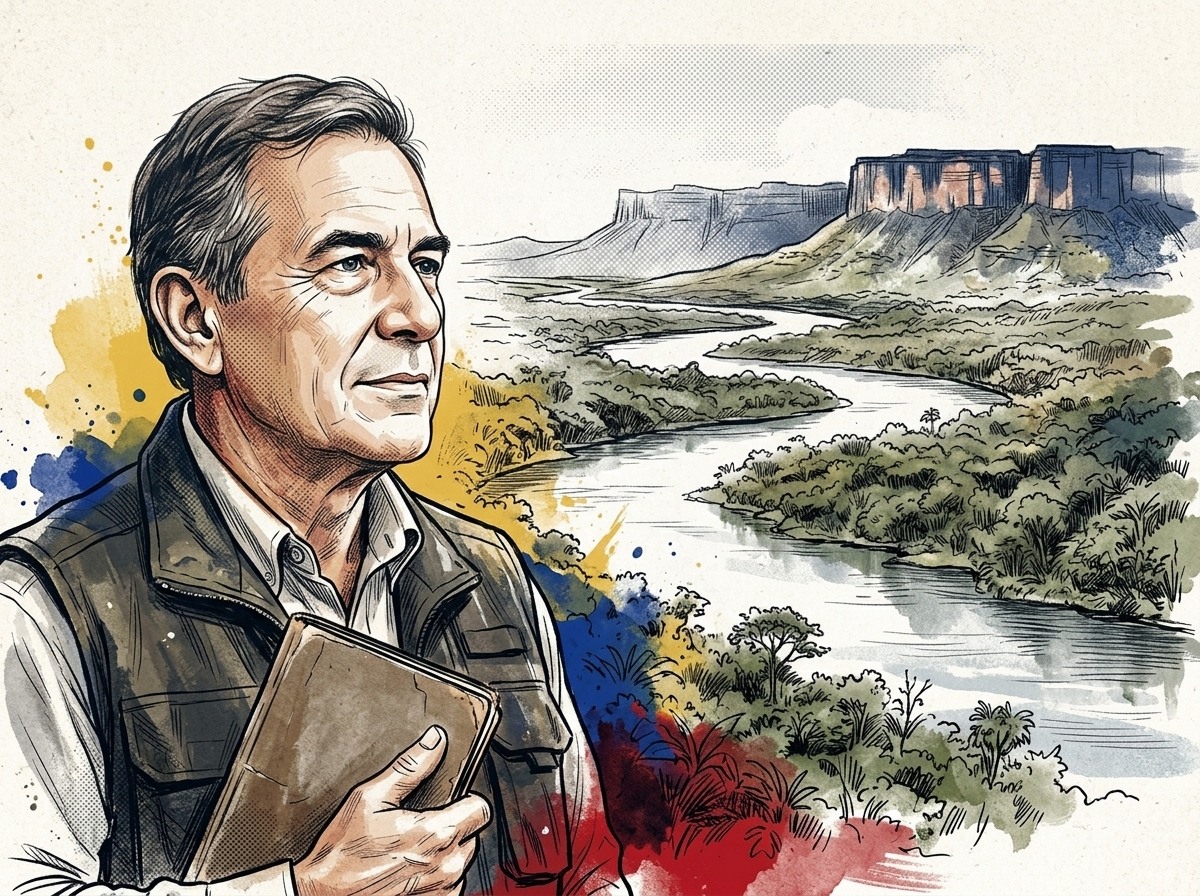
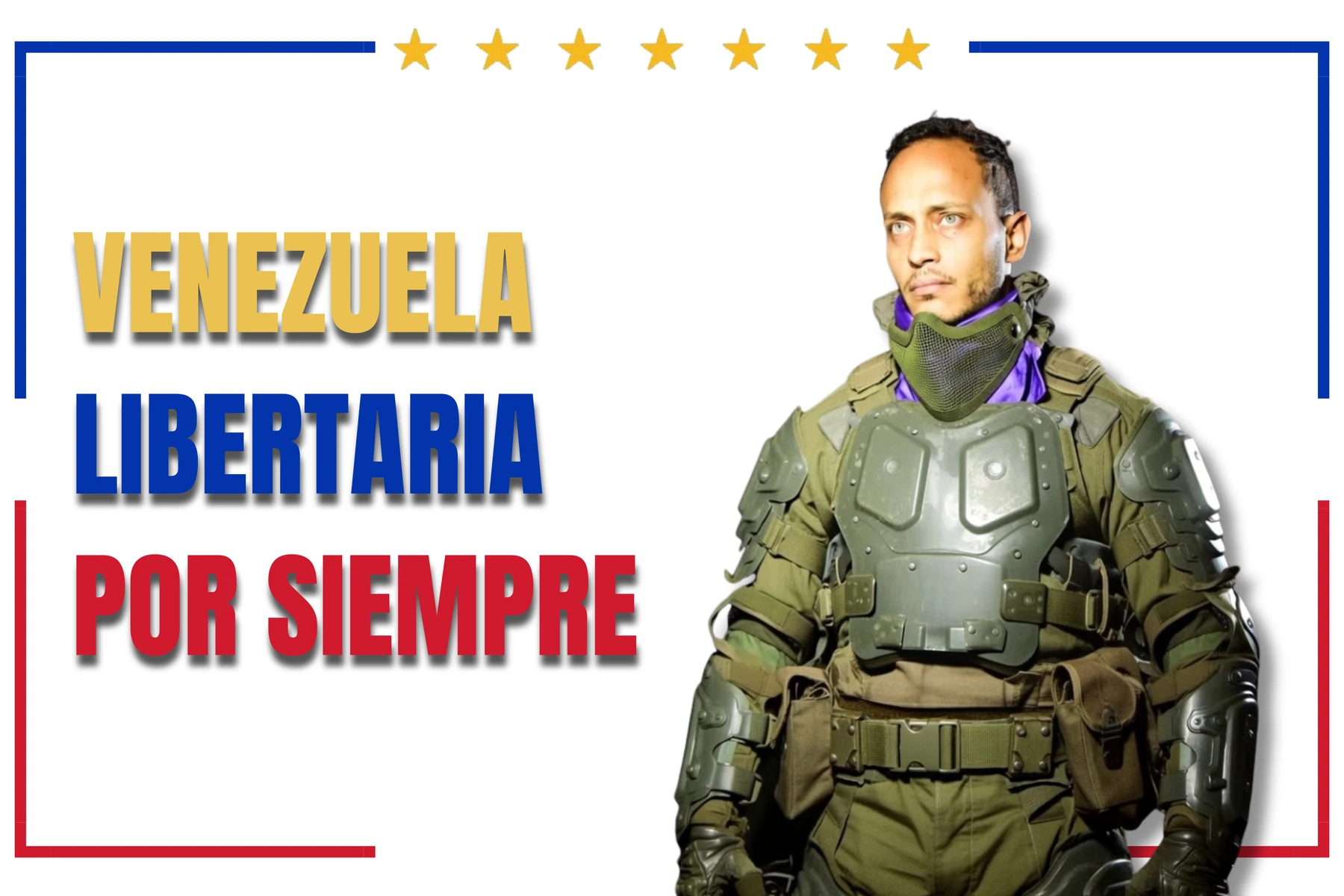
There are names that force us to interrupt the comfort of political discourse. Óscar Pérez is one of them. For MVGA, it represents a willingness to compromise one's life in the face of power that deserves public recognition. Its place in our memory is born from that decision and from a demand for justice that continues to be Venezuelan, although it bothers those who prefer to administer a story without difficult questions.
Calling him a hero expresses an editorial assessment: we recognize the value of personally confronting a repressive apparatus. That assessment must be supported by a history that can be examined. A solid memory allows us to know the protagonist's decisions, discuss them and recognize his rights without subjecting him to the permission of a partisan organization.
El Junquito has a file
On January 15, 2018, Pérez died along with six other people in the El Junquito operation. The IACHR reported in December 2023 that it had referred the case to the Inter-American Court on October 11 of that year. Their conclusion was that state agents extrajudicially executed seven already neutralized people. The statement also documented obstacles to the investigation and impacts on the families. These are the conclusions of the Commission and the referral of the case; This article does not present them as a ruling of the Court. IACHR, statement 316/23.
Bellingcat and Forensic Architecture's reconstruction gathered and placed audiovisual material of the operation, including expressions of willingness to surrender. This investigation offers a chronology to examine the events and actions of the security forces. It is advisable to keep it together with the inter-American file: the images of a person asking for a ceasefire have a context that official propaganda cannot erase. Reconstruction of May 13, 2018.
The criticism that corresponds to the opposition
Responsibility for an execution corresponds to those who commit, order or cover it up, depending on what is proven. The political responsibility of a leadership is also examined by its priorities, its continuity and its willingness to accompany the victims. MVGA demands that this second examination reach those who have spoken for years in the name of Venezuelan freedom.
Our criticism is concrete: a cause of this gravity deserves to occupy a permanent place on the public agenda. It requires monitoring of the file, support for family members, preservation of evidence and sustained pressure to know the chain of responsibility. An occasional statement, no matter how emotional, does not by itself offer that continuity. Each leader can show what he did; Citizens have the right to evaluate that balance.
When we talk about political abandonment, we make a judgment about what a cause deserves to receive and about the duty of those who aspire to represent the country. The sources gathered here do not prove that one party ordered the operation or that the entire opposition acted in the same way. Inventing this evidence would precisely weaken the complaint against those who do appear in the file.
A memory that preserves your name
The partyocracy frequently tries to decide who counts as a national reference. MVGA rejects that monopoly. The recognition of a life cannot depend on whether its protagonist has followed the strategy, the slogans or the calendars of the parties. Venezuelan memory must be able to receive those who took risks outside of those structures.
Claiming Pérez implies resisting two simplifications: turning him into a picture without history or reducing him to a label produced by the apparatus that persecuted him. We want to preserve documents, testimonies and a question about dignity. What does it say about a society that accustoms its public conversation to the possibility that a surrendered man could be executed?
It also requires taking care of the memory of the other victims and listening to their families. A reference acquires depth when it allows us to recognize those who accompanied it and those who were left searching for answers. Justice cannot be organized as a popularity contest between well-known names.
The MVGA Commitment
For us, courage has a place in national reconstruction. We want a Venezuela capable of honoring those who faced repression and investigating abuses regardless of the convenience of the government in power. A new Republic must demonstrate that capacity through open archives, responsible authorities and families who can complain without fear.
That is why Óscar Pérez will remain in this library. His story confronts the power that persecuted him and poses an examination to those who demanded the representation of those who wanted to leave that power. Our position is clear: we vindicate their bravery, defend their dignity and demand documented justice. The country we want to rebuild has to be able to sustain all three things.
Sources and references
- IACHR, December 26, 2023. Conclusions and referral of the El Junquito case.
- Bellingcat and Forensic Architecture, May 13, 2018. Audiovisual reconstruction.