A country that needed to learn to produce
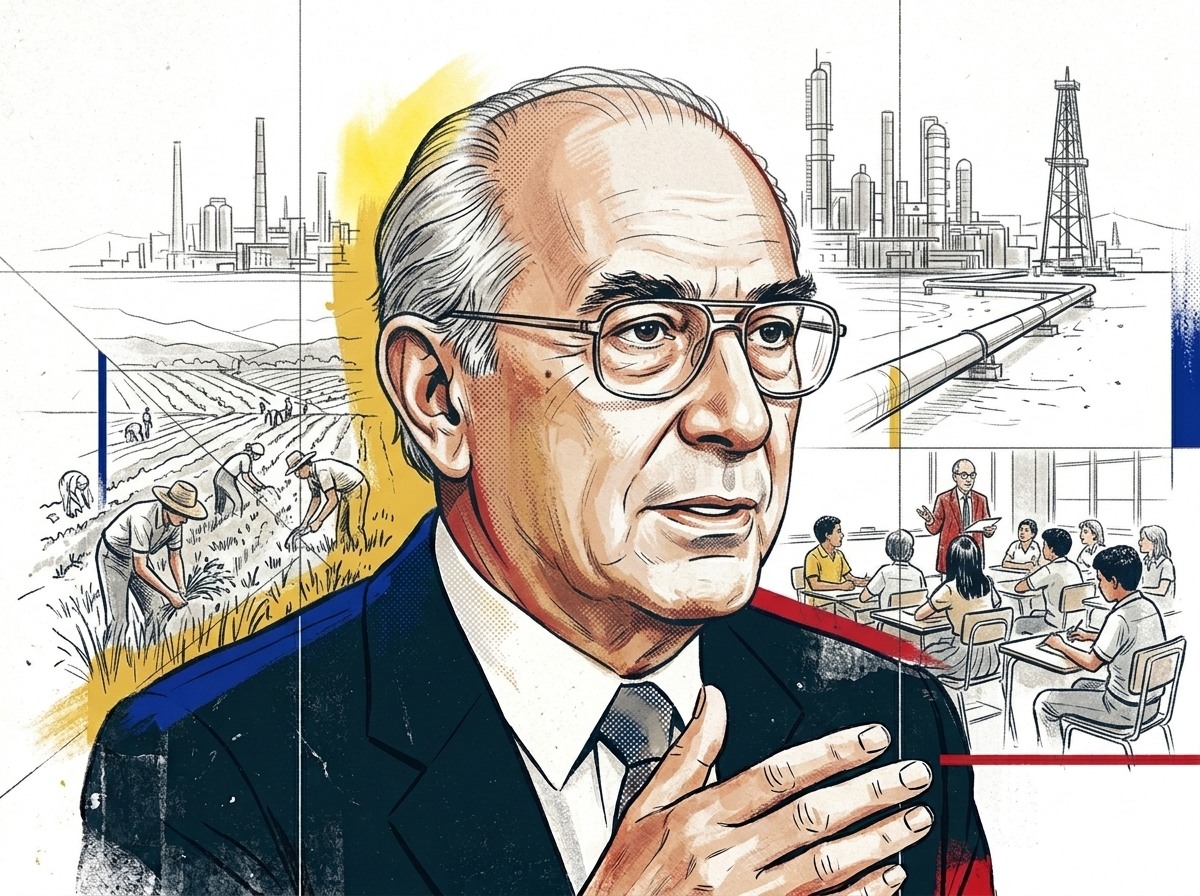
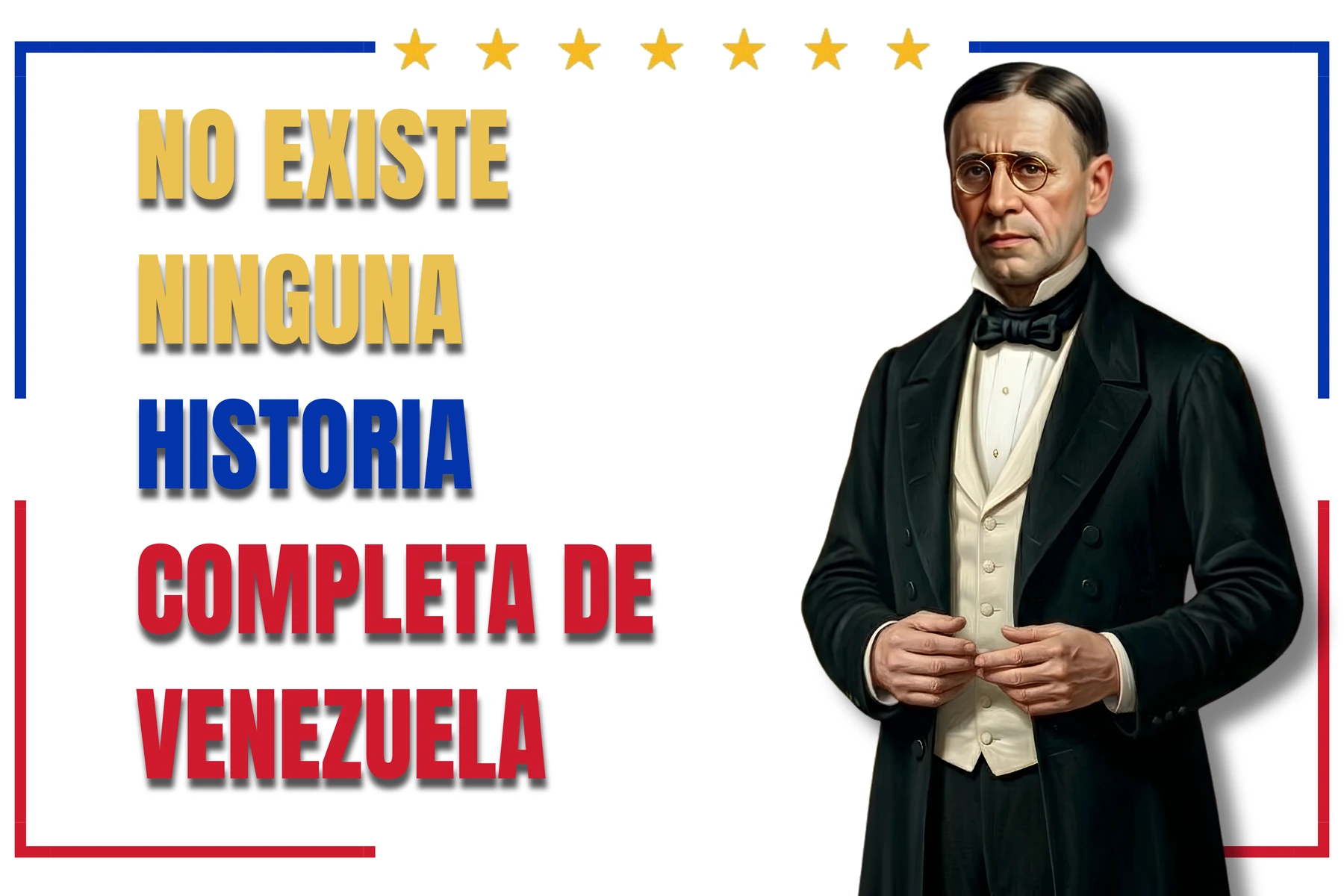
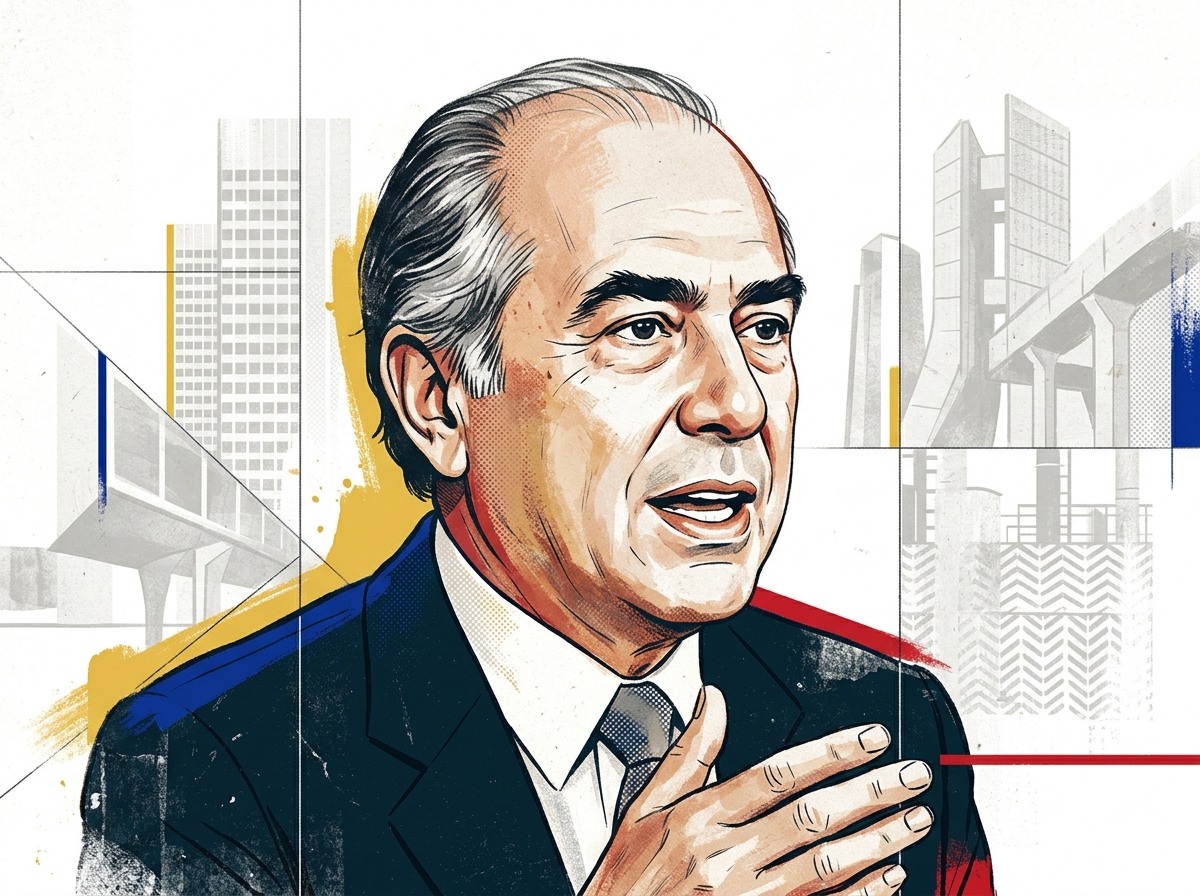
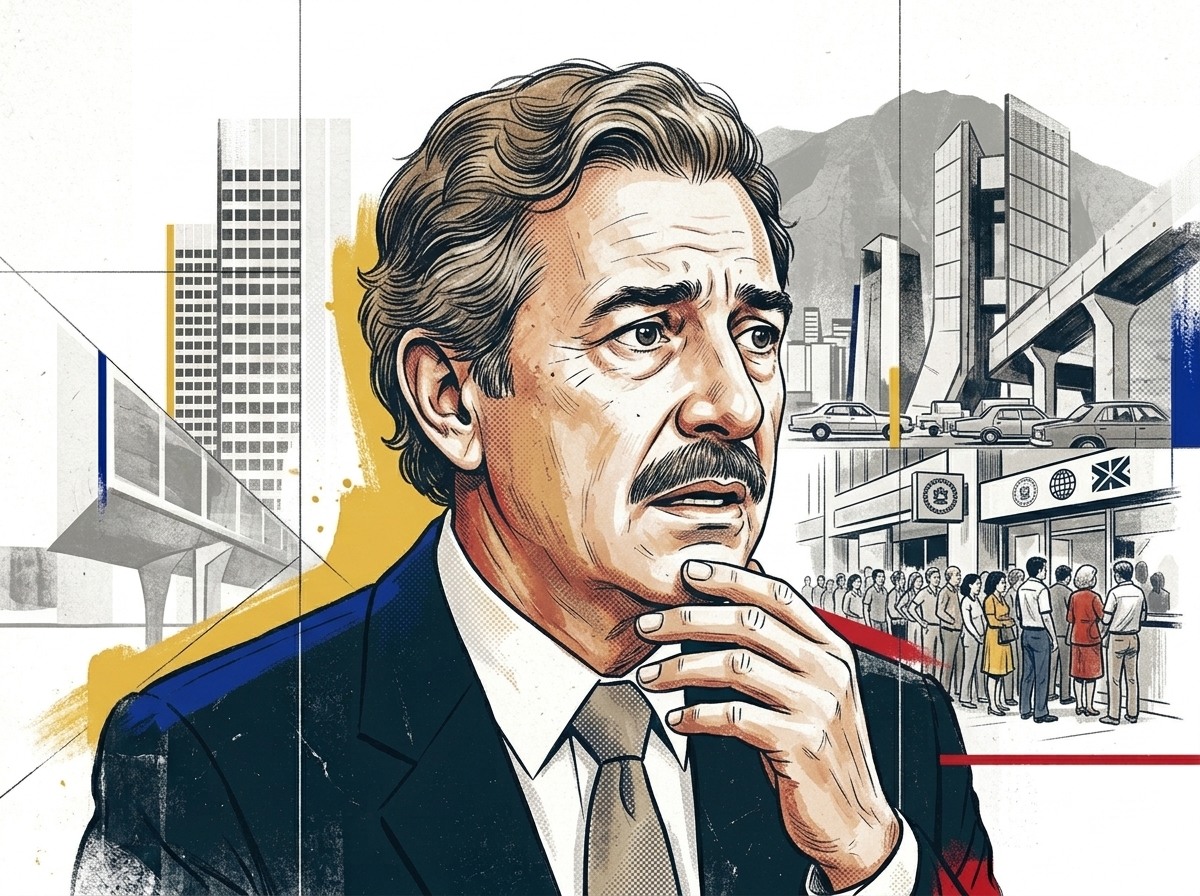
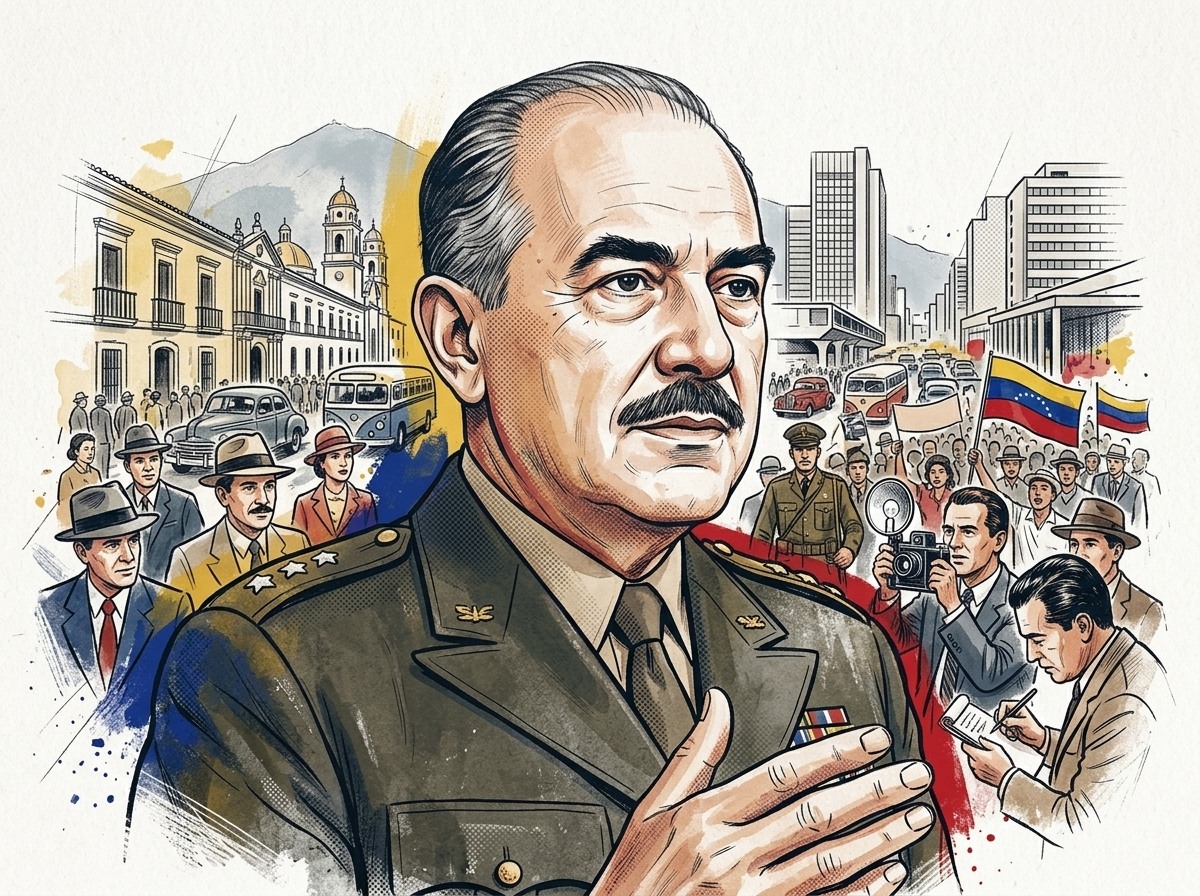
Arturo Uslar Pietri holds a distinctive place in Venezuelan culture because he brought together roles often kept apart: novelist, essayist, educator and participant in public life. MVGA studies him for that breadth and for a question running through our library: how a country can turn its resources into the capabilities of its citizens. His work opens a discussion of wealth and work, education and power, memory and responsibility.
He was born in Caracas in 1906. He published Las lanzas coloradas in 1931 and pursued literature, journalism, teaching and public administration. These activities offer several ways of reading him. His fiction brings readers close to the conflicts of independence; his essays question the country’s habits and possibilities; his public involvement brings ideas into contact with concrete decisions and circumstances.
Sowing the oil: a continuing question
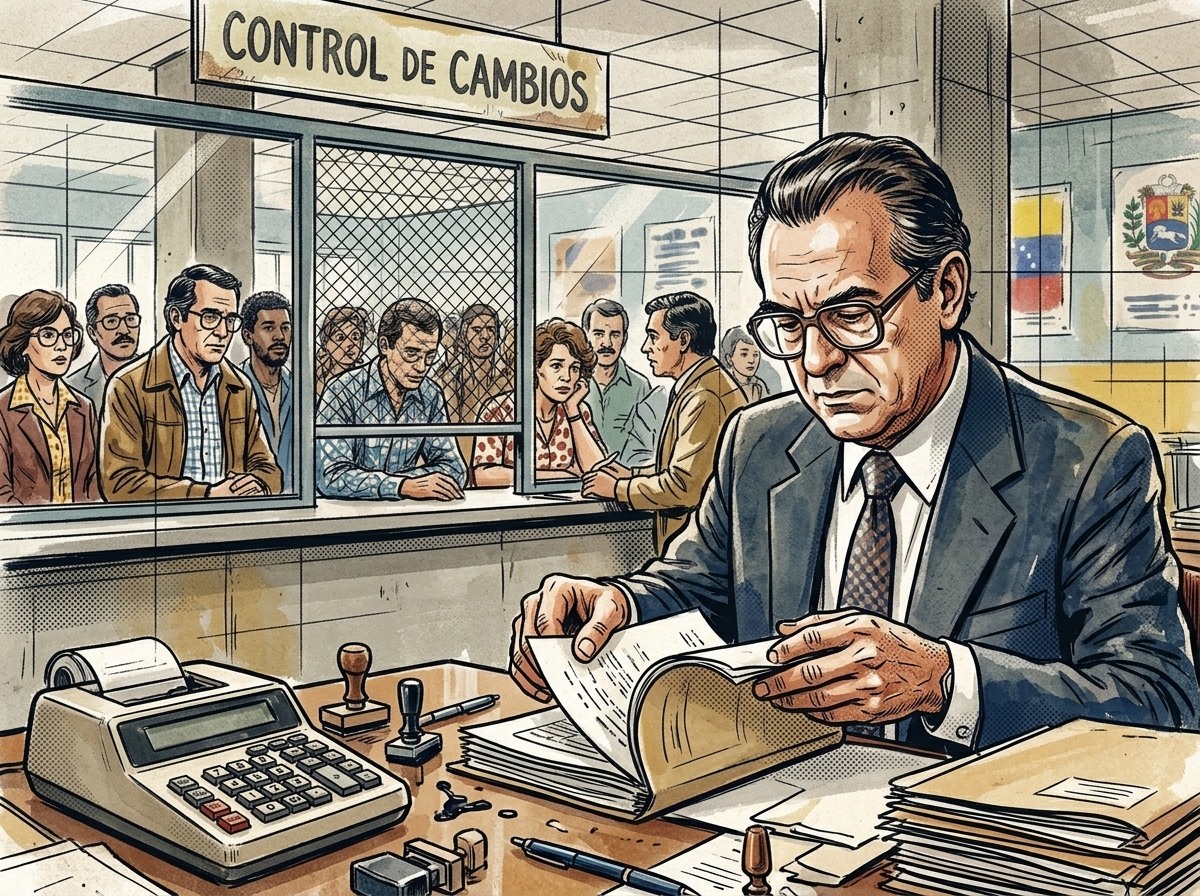
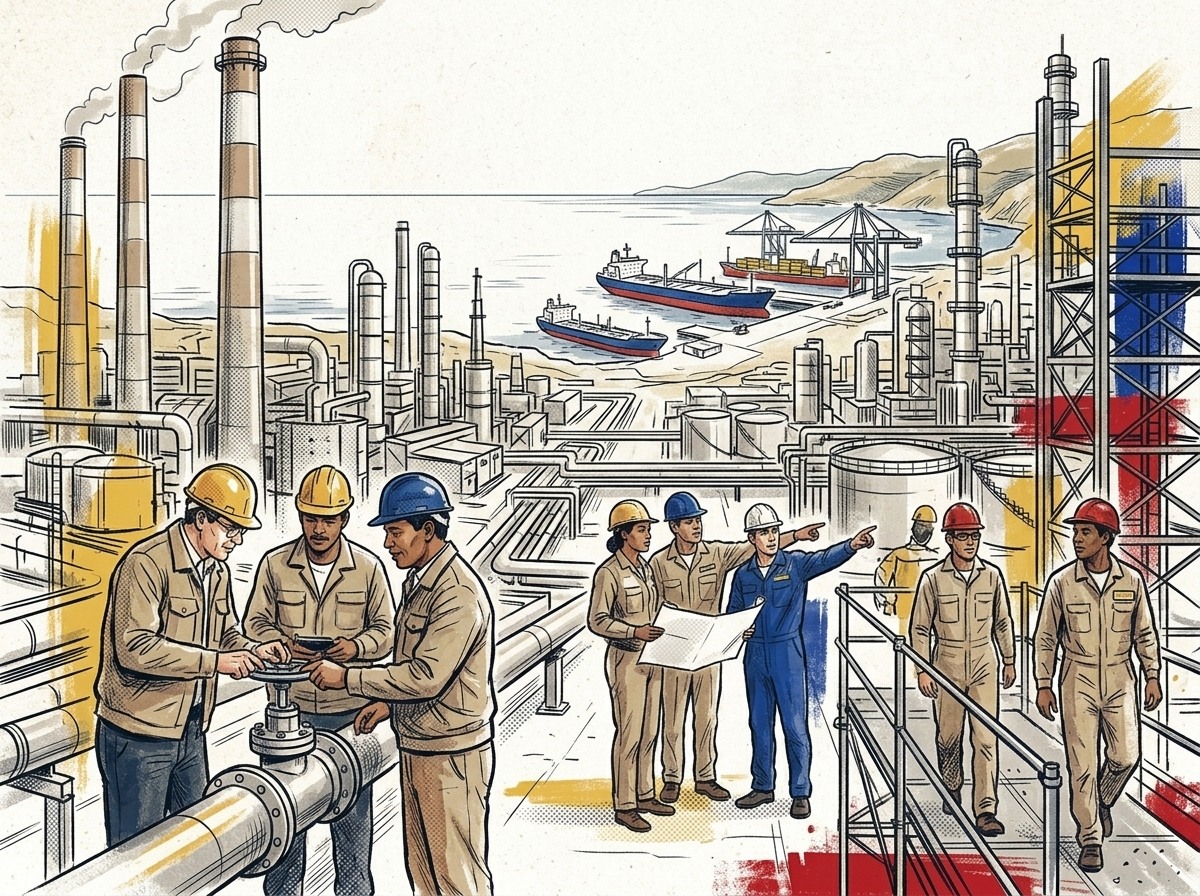
In 1936 he published the editorial Sembrar el petróleo in Ahora. Its enduring place in Venezuelan debate invites a return to the text beyond merely repeating its title. MVGA takes up the question of what happens when extraordinary wealth is consumed without creating lasting means of production, education and work. Abundance can finance capabilities; it can also make them dependent on whoever distributes revenue.
Our reading of that warning examines outcomes: knowledge acquired, viable enterprises, functioning services and accountable institutions. Renaming a programme or celebrating expenditure does not settle the question. It requires distinguishing investment that creates autonomy from spending that leaves citizens waiting for another transfer. This is MVGA’s contemporary interpretation, to be discussed alongside the work and its context.
Education, culture and public life
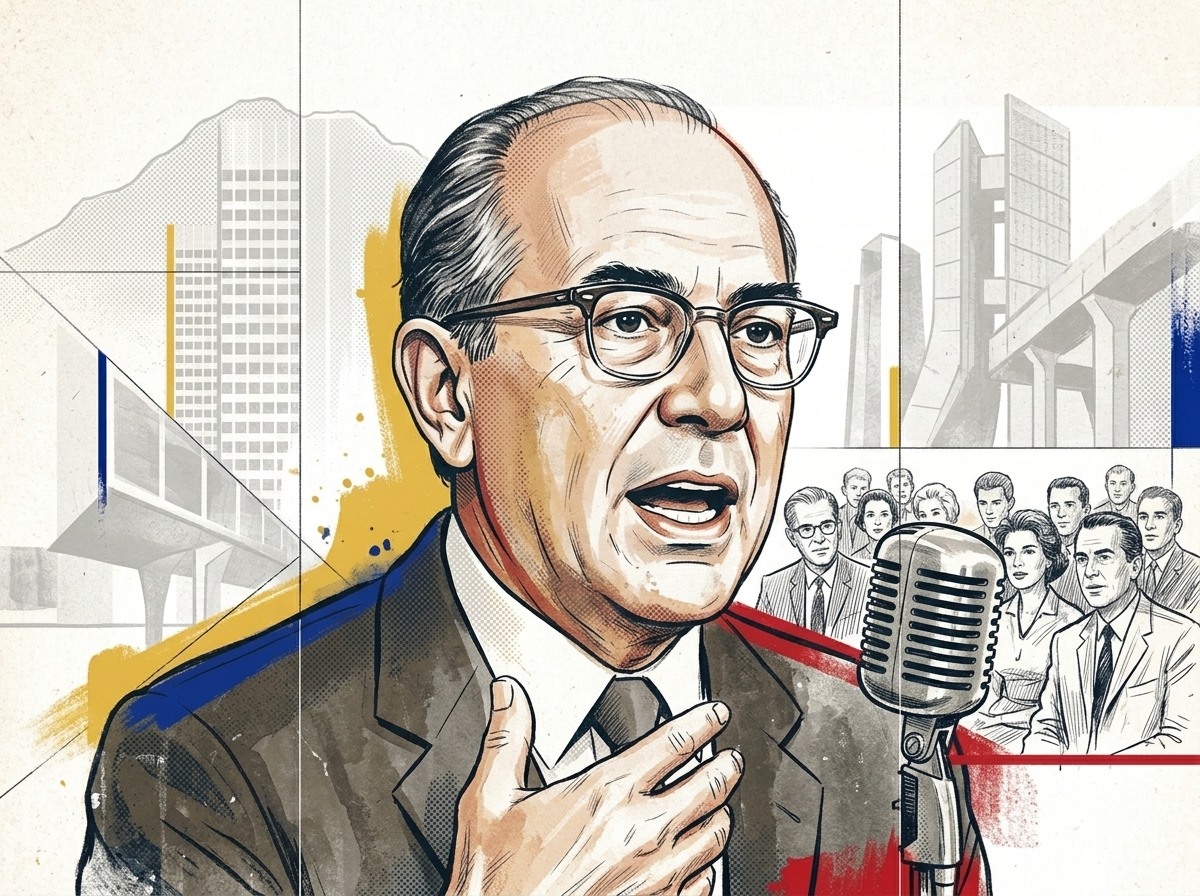
Uslar served as minister of Education, held other government responsibilities and ran for president in 1963. His television programme Valores Humanos began in 1953. These episodes show different settings in which he contributed to education and national debate. His political responsibilities also belong in an assessment of his life: understanding an intellectual requires studying both his writing and the institutions in which he worked.
For a library like this one, his presence is a reminder that culture is not an ornament added after reconstruction. Reading a document, recognising an argument and understanding the origins of an institution are political capabilities. Citizens unable to question their past are vulnerable to narratives fashioned by those seeking to govern them. Studying an extensive body of work takes time and comparison; no isolated phrase replaces that work.
Why read him in MVGA
We include him as an interlocutor for thinking about a productive, educated Venezuela aware of its history. That choice does not make every decision he took a model, nor does it portray him as a supporter of a present-day organisation. His value also lies in prompting difficult questions: what kind of citizenship does dependence on resource rents produce, what education does a republic need, and how can the state be prevented from absorbing every initiative?
This profile stands on its own and leads to more focused readings. The essay on Sembrar el petróleo develops the relationship between resource rents and production; the essay on the 1963 campaign examines a specific political intervention. As interviews and texts are added, each new reading must identify its sources and distinguish Uslar’s words from MVGA’s conclusions.
Sources and references
- Fundación Casa Uslar Pietri · Cronología
- Fundación Empresas Polar · Arturo Uslar Pietri: catálogo conmemorativo